Category: Latest Posts

  • Which New Construction Markets are Most Attractive for Out-of-Town Buyers?

    Which New Construction Markets are Most Attractive for Out-of-Town Buyers?

    It’s fascinating to see the growing interest out-of-town buyers have in new construction—over 67% of views on these homes are coming from folks looking to relocate, especially in Southern metro areas. Builders are responding: 35% are reducing prices by around 6% and offering to help with closing costs, creating some real opportunities for buyers looking for value. In my work across the Augusta area and nearby South Carolina communities, I’ve seen firsthand how the right incentives and competitive pricing can open doors for buyers and investors alike. Whether you’re exploring a move or considering new construction as an investment, understanding these market dynamics helps ensure you’re positioned for success.

    Continue to full article

  • Realtor.com Ranks New Construction Markets Most Attractive to Out-of-Town Buyers

    Realtor.com Ranks New Construction Markets Most Attractive to Out-of-Town Buyers

    As someone who’s spent years helping buyers, sellers, and investors find the right fit in the Augusta area and surrounding South Carolina communities, I pay close attention to national housing trends that might impact our local market. Realtor.com’s latest data shows that over 67% of online views for new construction homes are coming from out-of-town buyers, particularly in Southern metros like Lakeland, Cape Coral, and Durham. Builders in these areas are responding with 6% price reductions and additional incentives to draw in those relocating from pricier large cities. While Augusta has its own unique dynamics, these shifts highlight how demand for new homes and competitive builder offerings could shape opportunities here as well. My approach always centers on clear communication and tailored strategies—so whether you’re considering a move or an investment, understanding these broader trends can help you make confident, well-informed decisions.

    Continue to full article

  • Pending Sales Surge in Georgetown-Quitman County

    Pending Sales Surge in Georgetown-Quitman County

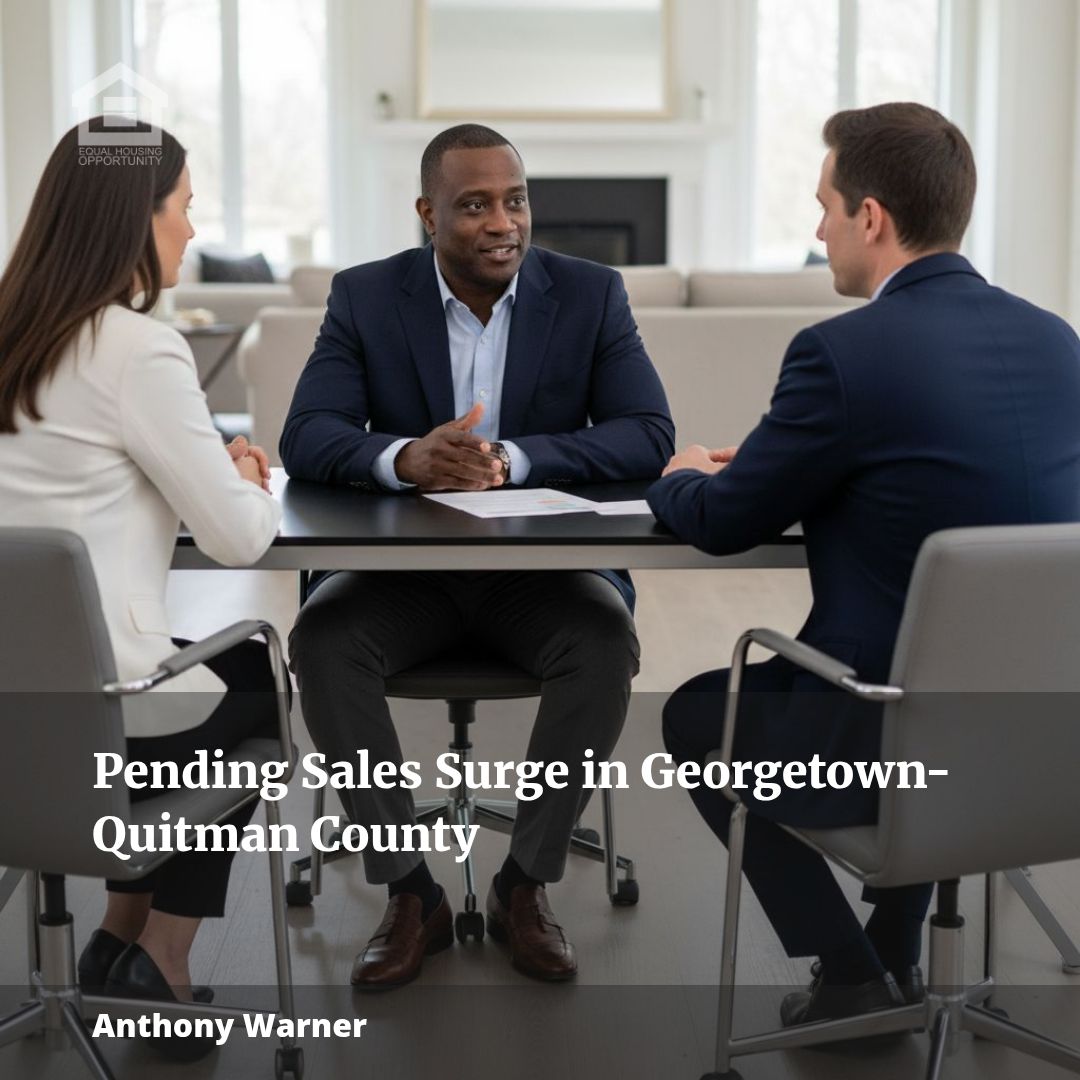
    Georgetown-Quitman County, GA saw a remarkable jump in pending sales from May to July 2026. With a 67.8% year-over-year increase, more buyers are locking in homes, signaling renewed market activity. This uptick points to growing buyer confidence and potential momentum for future closings.

    Continue to full article

  • Happy Labor Day!

    Labor Day in the United States celebrates the contributions of workers everywhere, while also unofficially marking the final big summer weekend before fall takes over.
    It’s known for backyard barbecues, road trips, and that classic tradition of buying things you didn’t know you needed because “it’s on sale.”
    Beaches, parks, and grills reach peak activity as everyone tries to squeeze every last drop of summer fun out of the long weekend.
    Happy Labor Day! Wishing you a fun, easygoing weekend filled with good vibes, great food, and absolutely no thoughts about Monday.

  • Pending Sales in Alto, GA Jump Over 50% Year-Over-Year

    Pending Sales in Alto, GA Jump Over 50% Year-Over-Year

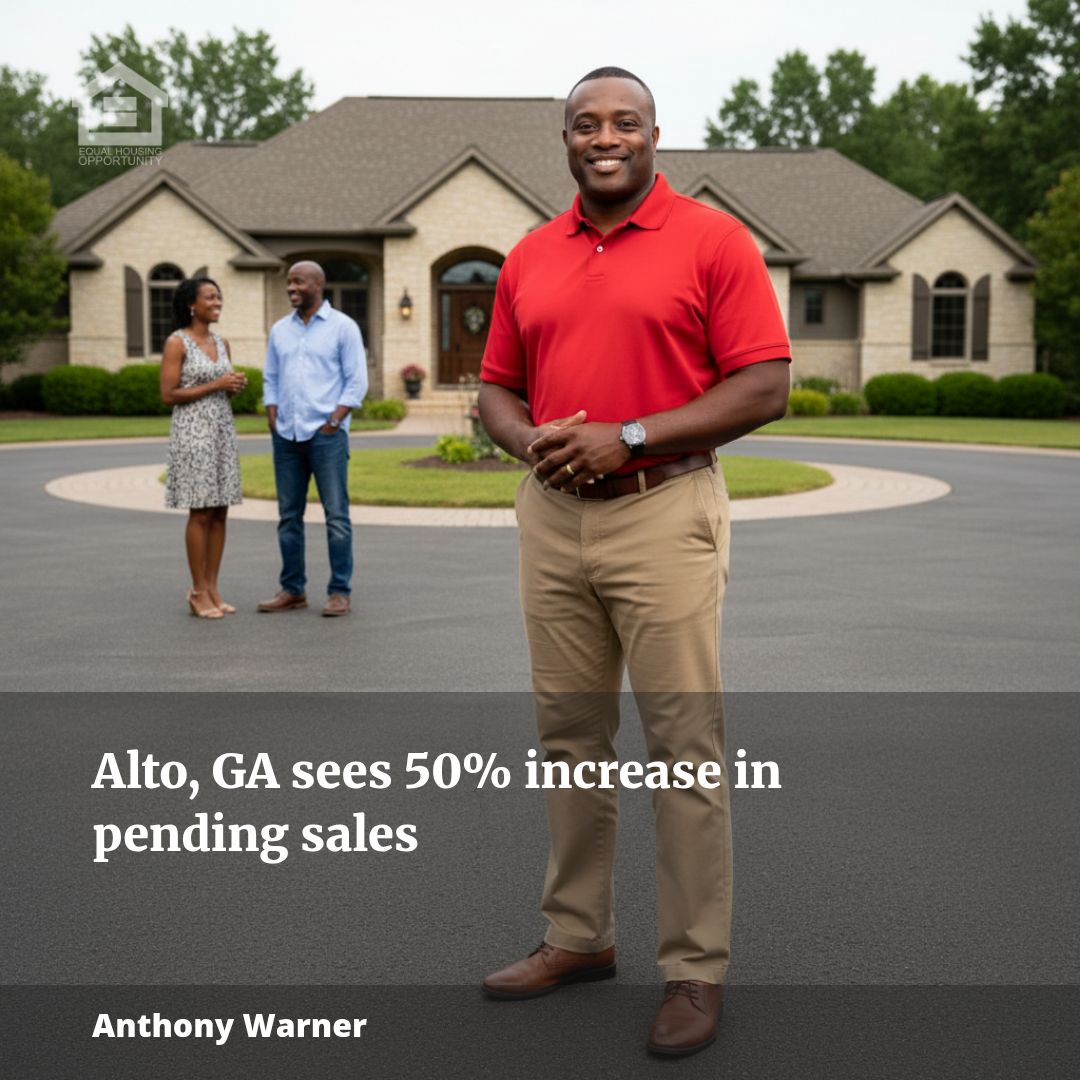
    A notable surge in pending sales—up 51% year-over-year—in Alto, GA, is a clear sign of strong buyer engagement in the area. As someone who guides clients through a range of dynamic markets throughout the Augusta metro and nearby South Carolina communities, I recognize how numbers like these reflect shifting opportunities and evolving demand. Whether you’re navigating your first purchase or considering selling, understanding these local trends is key to making informed decisions and maximizing value at every step. My commitment remains to offer strategies rooted in transparency and tailored expertise, helping you move forward with clarity and confidence.

    Continue to full article

  • Common Home Selling Mistakes to Avoid for a Successful Sale

    Common Home Selling Mistakes to Avoid for a Successful Sale

    Selling a home involves avoiding common mistakes like unrealistic pricing, poor timing, and lack of preparation. Manage emotions by viewing the home objectively, set a competitive price based on market analysis, and be flexible in negotiations. Selling in spring is ideal, while winter may slow the process. Use quality photos, ensure proper insurance, disclose major issues, and prepare the home thoroughly. Accommodate buyers' schedules and verify their qualifications. Hiring an agent can ease the process and help avoid errors.

    Continue to full article

  • US Office Crisis Spurs New Strategies

    Hybrid work has reshaped US offices, pushing investors to consider conversions, specialized spaces, flexible models, and hands-on repositioning instead of passive, traditional leasing.
    Office-to-residential reuse is a leading path where transit and amenities already exist, though deep floor plates, plumbing, HVAC, and design hurdles require due diligence.
    The strongest demand is concentrating in premium and niche properties, including medical offices, labs, and amenity-rich workplaces, while flexible space models offer shorter-term agility.
    Distressed sales may expand as lenders grow cautious, so investors need strong business plans, alternative capital sources, and clear strategies to stabilize or repurpose assets.
    Winning approaches depend on hyper-local insight, sustainability upgrades, smart-building tools, and public incentives, with experts expecting a multi-yr rebalancing rather than a quick reset.

  • How to Know if a Home Fits Your Lifestyle?

    Research local schools even if you don’t have kids — they influence home values.
    Consider internet availability and speed, especially for remote work or streaming needs.

  • US Vacancy Dips, but Stabilized Assets Lag

    US apartment vacancy eased to ~8% in Late-Q2 2026, but most improvement came from newly delivered communities leasing up, not stronger performance across established inventory.
    Quarterly absorption reached ~164K units, topping ~118K new units added, yet stabilized properties still saw vacancy ↑~35 basis points yearly overall nationally.
    High-end four- and five-star apartments captured ~70% of demand, and overall vacancy in that segment improved while stabilized luxury properties faced tougher backfilling.
    The national gap between overall and stabilized vacancy reached ~50 basis points, showing new lease-ups did the heavy lifting as older properties faced leasing pressure.
    Through coming quarters, headline vacancy may keep improving, but existing properties could stay pressured into 2027 as operators emphasize retention, incentives, and repositioning.